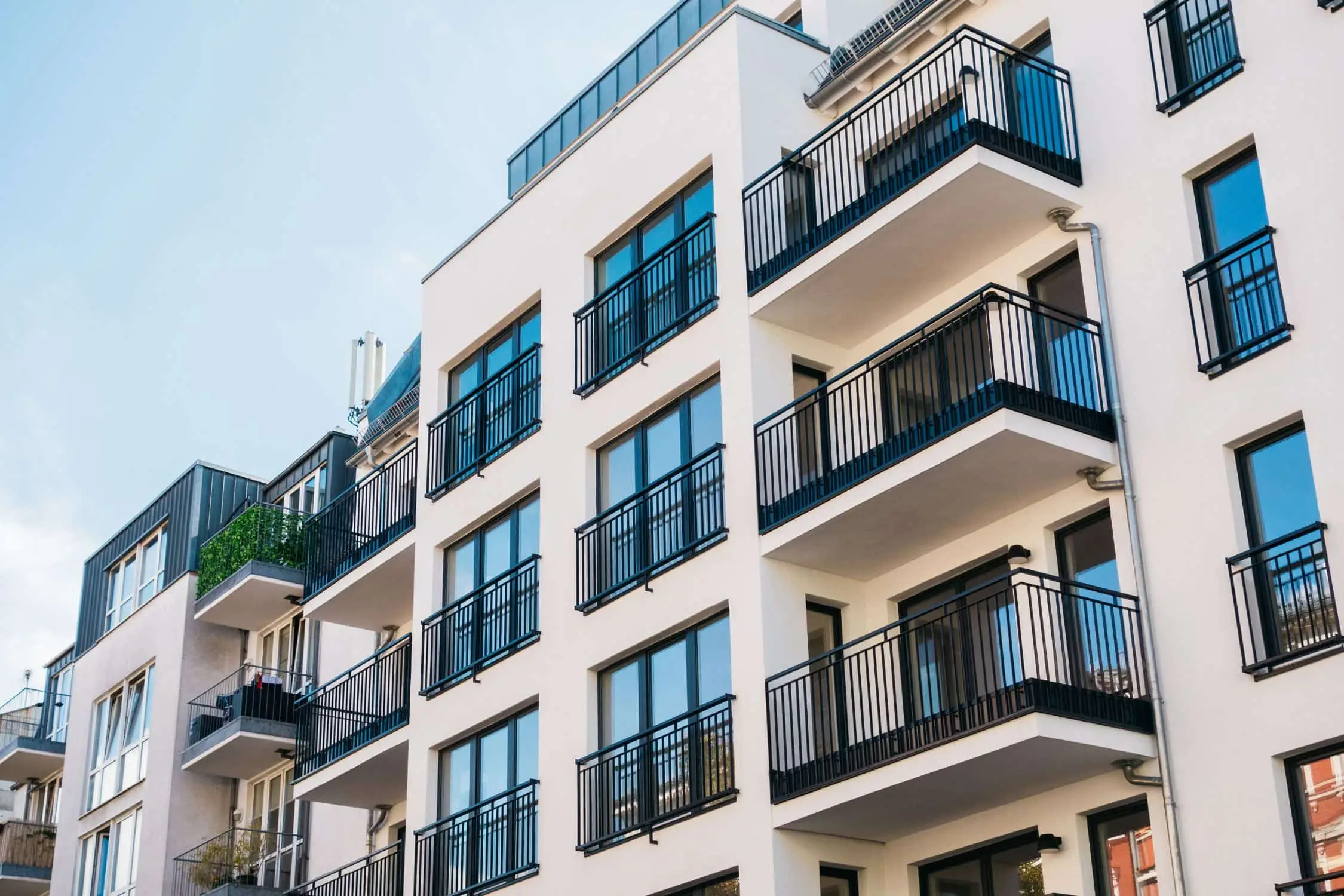
When embarking on the journey of building an investment property, making informed decisions from the outset can significantly impact your return on investment. Whether you’re building a residential rental or adding commercial space to your portfolio, here are the top seven considerations to ensure your project is profitable and appealing to quality tenants.
Firstly, location is paramount. The right location can enhance the value of your property and rental appeal. Consider areas with strong rental demand, good transport links, and proximity to amenities like schools, shops, and parks. Research future infrastructure projects too, as these can boost the desirability of the area and, subsequently, the property value.
Secondly, think about the target market. Understanding the needs and preferences of your potential tenants will guide your design choices. For instance, young professionals might prefer modern apartments close to the city centre, while families could be looking for spacious homes with gardens in suburban areas. Tailoring your property to suit your audience can lead to higher occupancy rates and rental income.
The design and layout of your property are also crucial. Focus on creating functional, attractive spaces that are easy to maintain. Open-plan living areas, ample storage, and good natural light can make your property more appealing. Energy-efficient features and sustainable building practices are increasingly sought after and can add value, reduce running costs, and attract environmentally conscious tenants.
Budgeting is another key consideration. Establish a clear budget that covers all aspects of the build, from land acquisition and construction costs to fees for architects, engineers, and council approvals. Factor in a contingency fund to cover unexpected expenses. Keeping your project within budget without compromising on quality is essential for maximising your investment.
Engaging the right professionals can make a significant difference. Working with experienced architects, builders, and property managers can streamline the building process and ensure your property meets all regulatory standards. Quality construction and finishes not only enhance the appeal of your property but also minimise maintenance issues down the line.
Consider the long-term maintenance and management of your investment. A well-maintained property will retain its value and continue to attract tenants. Regular inspections, prompt repairs, and proactive property management can prevent small issues from becoming costly problems. Hiring a reputable property management service can alleviate the stress of day-to-day management and ensure your investment is well cared for.
Consider commercial property leasing
If you’re looking to diversify beyond residential property, commercial property can deliver strong returns. Offices, retail shops, warehouses and mixed-use buildings often come with longer leases, typically three to ten years, which means more predictable income and fewer vacancies. In many commercial leases, tenants also pay a share of outgoings such as council rates, insurance and maintenance, helping to protect your net yield.
Commercial leasing is more complex than residential, though. Lease terms, rent reviews, incentives, make-good clauses and retail leasing legislation all need careful handling. Getting them right from the start protects your income and the value of your asset.
That’s where our commercial team can help. Through NAI Harcourts, Harcourts Property Centre offers specialist commercial, industrial and retail leasing services, including:
- Leasing strategy: setting the right rent, lease term and incentives for your property and market
- Tenant marketing and selection: finding and vetting reliable businesses to occupy your space
- Lease negotiation: handling heads of agreement, rent reviews, options and outgoings
- Asset management: ongoing management, rent collection and lease renewals to keep your property performing
- Market advice: current local knowledge, backed by NAI Global’s national and international network
Whether you’re leasing a single shopfront or a portfolio of industrial units, our team will help you secure the right tenant on the right terms.
Building an investment property is a substantial commitment, but by carefully considering these factors, you can create a valuable asset that provides steady returns. With strategic planning, attention to detail, and the right support, your investment property can become a lucrative addition to your portfolio.
Let us help you make informed investment decisions. Contact our friendly team today.
Ready to lease your commercial property?
Our NAI Harcourts commercial team can help you find the right tenant, negotiate the right lease and keep your investment performing. Book a no-obligation chat with a commercial leasing specialist today.
Commercial property leasing: frequently asked questions
How long is a typical commercial lease?
Most commercial leases run for three to five years, and some larger tenants sign for ten years or more. Many include options to renew, such as a three-year lease with a further three-year option. Longer leases give owners steadier income and fewer vacancies.
Who pays the outgoings on a commercial property?
It depends on the lease. In a net lease, the tenant pays some or all outgoings, such as council rates, insurance and building maintenance. In a gross lease, the owner covers these and builds them into the rent. Retail leases have extra rules about which outgoings can be passed on.
How is commercial rent set and reviewed?
Rent is based on the property’s size, location, condition and comparable leases in the area. Most leases include annual reviews, either a fixed percentage increase or a CPI adjustment, plus market reviews when options are taken up. Our team uses current local data to recommend the right rent.
What’s the difference between commercial and residential leasing?
Commercial leases are usually longer, more negotiable and governed by different laws. Tenants often fit out the space themselves and may pay outgoings. Residential leases are shorter and follow standard tenancy legislation.
What are lease incentives?
Incentives are offers that encourage a tenant to sign, such as a rent-free period, reduced rent or a contribution to fit-out costs. They’re common in competitive markets. A good leasing agent will balance incentives against the lease’s long-term value.
What is a make-good clause?
A make-good clause requires the tenant to return the property to an agreed condition when the lease ends. This might mean removing their fit-out, repairing damage or repainting. Clear make-good terms protect the owner and avoid disputes.
Why use a specialist commercial leasing agent?
Commercial leases involve large sums and complex terms, so small mistakes can be costly. A specialist agent markets your property to the right businesses, vets tenants, negotiates terms and manages the lease. Our NAI Harcourts team also connects you to a national and global network of tenants.